SUPPORTED INDEPENDENT LIVING: Empowering Individuals with Disabilities
Dive into our latest article exploring Supported Independent Living (SIL) and its transformative role in the lives of individuals with disabilities. From promoting independence to integrating community participation, SIL is reshaping the narrative around disability and autonomy. Discover the myriad benefits of SIL and understand why it’s more than just a service—it’s a philosophy championing inclusivity and empowerment.
For many, the concept of independence is tightly knit with the ability to make choices, live autonomously, and participate in the community. For individuals with disabilities, achieving this independence can be a complex journey. Supported Independent Living (SIL) emerges as an invaluable framework to aid this journey. Let’s delve deeper into SIL and understand its many benefits for individuals with disabilities.
What is Supported Independent Living (SIL)?
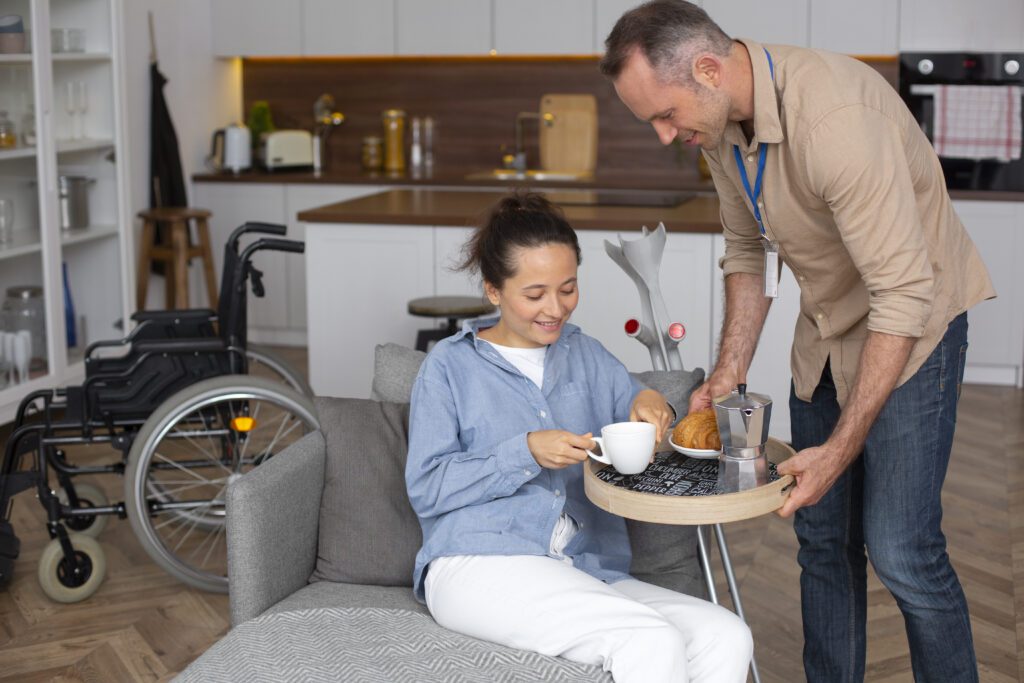
Supported Independent Living refers to the support services provided to people with disabilities so that they can live as independently as possible. These supports are tailored to individual needs and can include help with daily tasks, personal care, financial management, and community participation. The support can be provided in the individual’s home or in shared living arrangements.
Benefits of Supported Independent Living:
- Promotion of Independence: At its core, SIL is about fostering independence. It provides individuals the opportunity to live in their homes, manage their routines, and make decisions about their lives while receiving the necessary supports.
- Improved Quality of Life: Living independently often leads to enhanced self-esteem and confidence. When individuals are given the autonomy to make decisions, they tend to be more satisfied with their lives and experience a greater sense of fulfillment.
- Personalized Care: SIL is not a one-size-fits-all approach. It is tailored to the unique needs of each individual. This ensures that support is both relevant and effective, aligning with the personal goals and preferences of the individual.
- Skill Development: Supported Independent Living isn’t just about providing care—it’s also about building skills. Whether it’s learning to manage finances, cook meals, or use public transport, SIL aids in developing critical life skills that enhance independence.
- Community Integration: SIL encourages community participation. With the right supports, individuals can engage in recreational activities, pursue educational opportunities, and build social networks. This integration is pivotal for mental well-being and cultivates a sense of belonging.
- Safety and Support: While SIL champions independence, it also ensures that individuals are safe. Whether it’s assistance with mobility, health check-ups, or emergency supports, SIL ensures that individuals can live independently without compromising their safety.
- Flexible Support: The nature and intensity of support in SIL can change over time. As individuals grow, learn, and adapt, the support they receive can be scaled up or down based on their evolving needs.
- Cost-Effective: In many cases, SIL can be more cost-effective than institutional care. By focusing on skill development and community integration, SIL often reduces the long-term reliance on intensive supports.
Supported Independent Living is more than just a service—it’s a philosophy. It recognizes the inherent right of individuals with disabilities to live autonomously while receiving the support they need. As society progresses towards more inclusive models of care, SIL stands out as a beacon, illuminating the path towards a world where disability doesn’t limit one’s ability to lead a fulfilling, independent life.
Are you interested to find out more information about our SIL housing? Contact our care team today on 1300 897 848.
Check more events and stories

NDIS Supported Independent Living: What the Future of SIL Could Look Like
The future of NDIS Supported Independent Living is being discussed. Learn what’s under review, what hasn’t changed, and why participant choice, quality support and housemate matching matter.

NDIS Integrity Crackdown: $2.1 Billion Protected From Fraud and Non-Compliance
The Australian Government says NDIS integrity measures have delivered $2.1 billion in savings and benefits by preventing fraudulent and non-compliant payments and protecting participant funding.
NDIS Changes October 2026: What the New Funding Changes Mean for Participants
NDIS funding changes begin from 1 October 2026, including changes to Social and Community Participation and Improved Daily Living budgets. Here’s what participants, families and Support Coordinators need to know.
The Future of NDIS Support Coordination: What We Know About the 2028 Changes
The way NDIS participants access Support Coordination is set to change. The Australian Government has confirmed that a new Support Coordination and Connection (SCC) service

SIL Changes from 1 October 2026: What NDIS Participants, Families and Support Coordinators Need to Know
Supported Independent Living is changing, with new NDIS registration, claiming and quality requirements now applying to SIL providers. Here is what you need to know

What Makes a Strong SIL Referral? A Practical Guide for Support Coordinators
When a participant is exploring Supported Independent Living (SIL), a good referral does more than tell a provider that someone needs somewhere to live. It